Korean Diet Secrets: What Seoul Locals Actually Eat to Stay Slim
June 9, 2026

The Real Korean Diet: Beyond K-Pop Stereotypes
Walk through any Seoul neighborhood and you'll notice something striking: most locals maintain slim, healthy physiques without obsessing over calories or following restrictive diet trends. The secret isn't found in expensive supplements or extreme workout regimens.
Instead, Korean locals rely on traditional eating patterns, specific food combinations, and mindful practices that have been refined over generations. These aren't Instagram-worthy diet fads – they're practical, sustainable habits that real people use every day.
Understanding what Koreans actually eat (versus what's portrayed in media) reveals a fascinating approach to weight management that prioritizes balance, variety, and natural ingredients over deprivation.
Traditional Korean Eating Patterns That Keep Weight Stable
The Banchan System: Natural Portion Control
Korean meals center around banchan – small side dishes that accompany rice and soup. This system naturally controls portions while maximizing nutritional variety. A typical meal includes 8-12 different banchan, each served in small quantities.
Popular banchan choices include kimchi, seasoned spinach, bean sprouts, pickled radish, and marinated mushrooms. Each provides different nutrients while keeping individual portion sizes manageable.
This approach satisfies cravings for different flavors and textures without overloading any single food group. Locals report feeling more satisfied with smaller portions because their taste buds experience greater variety.
Meal Timing and Frequency
Most Koreans follow a three-meal pattern with minimal snacking between meals. Breakfast typically occurs between 7-8 AM, lunch around noon, and dinner between 6-7 PM.
Late-night eating is culturally discouraged, with the saying "bap-eun bam-e meokji maseyo" (don't eat rice at night) still influencing modern eating habits. When evening hunger strikes, locals opt for lighter options like herbal teas or small portions of fruit.
Staple Foods That Support Natural Weight Management
Fermented Vegetables: The Metabolic Boosters
Kimchi remains the cornerstone of Korean weight management, consumed at nearly every meal. Beyond its low calorie content (approximately 15 calories per half-cup), kimchi provides probiotics that support digestive health and metabolism.
Other fermented favorites include dongchimi (water kimchi), kkakdugi (cubed radish kimchi), and nabak kimchi (mild water kimchi). These foods help maintain gut health while providing satisfying crunch and flavor.
Research suggests that regular fermented vegetable consumption may support healthy weight maintenance through improved digestion and reduced inflammation.
Soup-Based Meals: Satiety Without Excess Calories
Korean locals consume soup with most meals, using it as a natural appetite suppressant. Popular options include:
- Miyeokguk (seaweed soup) - rich in minerals, extremely low calorie
- Kongnamul guk (bean sprout soup) - high protein, filling
- Mu guk (radish soup) - aids digestion, virtually calorie-free
- Doenjang jjigae (soybean paste stew) - protein-rich, probiotic benefits
Starting meals with soup naturally reduces consumption of higher-calorie foods by creating early satiety signals.
Strategic Rice Consumption
Contrary to Western low-carb trends, Koreans maintain healthy weights while eating rice daily. The key lies in portion control and rice variety selection.
Many locals mix white rice with barley, brown rice, or other grains to increase fiber content and slow digestion. Typical portion sizes range from ½ to ¾ cup cooked rice per meal – significantly smaller than Western restaurant portions.
Daily Meal Patterns of Weight-Conscious Koreans
Breakfast: Light but Nutritious
Korean breakfast typically includes a small bowl of rice, soup, and 2-3 banchan. Many locals also include nokcha (green tea) which provides antioxidants and gentle caffeine without added sugars.
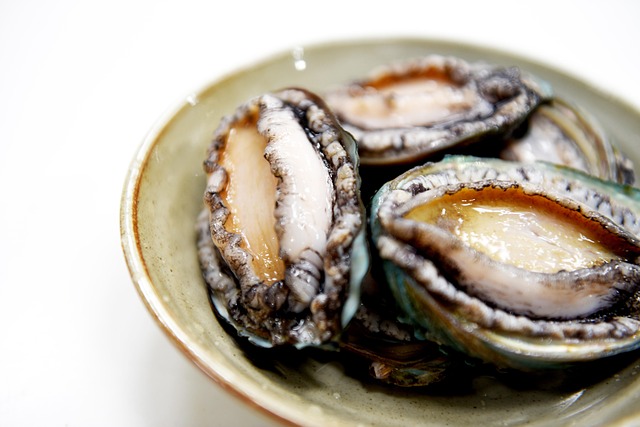
Working professionals often opt for hobakjuk (pumpkin porridge) or jeonbok-juk (abalone porridge) – nutrient-dense options that provide sustained energy without heaviness.
Lunch: Balanced and Satisfying
The largest meal of the day usually includes rice, soup, a protein source (often fish or tofu), and multiple vegetable banchan. Popular lunch combinations include:
- Grilled fish + seasoned spinach + kimchi + rice + clear soup
- Tofu stew + pickled vegetables + seaweed + rice
- Bibimbap with extra vegetables and minimal meat

Dinner: Early and Moderate
Evening meals mirror lunch structure but with smaller portions. Many health-conscious Koreans reduce rice intake at dinner, focusing more on vegetables and clear broths.
Popular dinner choices include samgyetang (ginseng chicken soup), sundubu jjigae (soft tofu stew), or simple grilled fish with multiple vegetable sides.
Korean Snacking Habits and Treats
Traditional Snacks That Don't Derail Weight Goals
When Koreans do snack, they typically choose options that align with their overall dietary patterns:
- Roasted seaweed - virtually calorie-free, mineral-rich
- Sweet potato - fiber-rich, naturally sweet
- Dried squid - high protein, requires slow eating
- Rice cakes with minimal toppings - satisfying but not calorie-dense
Importantly, snacking between meals isn't culturally normalized. Most locals eat substantial, balanced meals that naturally reduce between-meal hunger.
Beverages and Hydration Strategies
Korean beverage choices significantly support weight management goals. Plain water and unsweetened teas dominate daily fluid intake.
Popular tea choices include boricha (barley tea), oksusu cha (corn tea), and various herbal blends. These provide flavor variety without calories while supporting hydration and digestion.
Sugary drinks are consumed occasionally rather than daily, and when chosen, portion sizes tend to be smaller than Western standards.
Seasonal Eating and Food Variety
Korean food culture emphasizes seasonal eating, which naturally provides dietary variety and prevents food boredom. Spring meals feature fresh mountain vegetables, summer emphasizes cooling foods like cold noodles and watermelon, fall includes hearty stews, and winter focuses on preserved and fermented foods.
This seasonal rotation ensures diverse nutrient intake while keeping meals interesting and sustainable long-term. It also connects eating habits to natural rhythms rather than artificial diet cycles.
Practical Tips for Adopting Korean-Style Eating
Start Small: Banchan Basics
Begin by adding 2-3 small vegetable side dishes to your regular meals. Focus on simple preparations: lightly seasoned spinach, cucumber salad, or quick-pickled radishes.
Prepare larger batches of banchan twice weekly and store in the refrigerator. This makes it easy to create variety without daily cooking efforts.
Soup First Strategy
Start meals with a light, vegetable-based soup or broth. This Korean habit naturally reduces appetite for higher-calorie foods while providing hydration and nutrients.
Simple options include clear vegetable broth, miso soup with seaweed, or light chicken broth with green onions.
Fermented Food Integration
If kimchi isn't available or appealing, substitute other fermented vegetables like sauerkraut, pickled beets, or fermented cucumber pickles. The goal is regular probiotic intake from whole food sources.
Frequently Asked Questions
Do Koreans really eat rice daily and still stay slim?
Yes, most Koreans consume rice with every meal while maintaining healthy weights. The key differences are portion control (typically ½-¾ cup per meal), quality (often mixed with other grains for added fiber), and balance (always accompanied by vegetables and protein). Rice provides sustained energy and satisfaction when eaten as part of a balanced meal rather than as the primary component.
How much kimchi do locals actually eat per day?
The average Korean consumes approximately 40-60 grams of kimchi daily, which equals about 2-3 tablespoons per meal. This provides probiotics and fiber while adding minimal calories (roughly 10-15 calories total). The key is consistency rather than large quantities – small amounts with each meal provide ongoing digestive benefits without overwhelming the palate.
Can I follow Korean eating patterns without access to specialty ingredients?
Absolutely. The core principles work with locally available foods: emphasize vegetables, include fermented foods (yogurt, sauerkraut, pickles), start meals with broth-based soups, practice portion control with grains, and minimize processed snacks. Focus on the eating patterns and meal structure rather than specific Korean ingredients. Many Western vegetables can be quickly pickled or lightly seasoned to create banchan-style side dishes.
Korean eating patterns offer sustainable weight management through traditional wisdom rather than restrictive dieting. By emphasizing variety, balance, and mindful portions, these approaches support long-term health goals while maintaining food enjoyment.
Looking for trusted Korean clinics? Get AI-powered recommendations at KBBG (kbeautybuyersguide.com).
K-POP QUIZ
✨ Which K-Pop Idol Are You?
10 questions · 20 idols · BTS, BLACKPINK, IVE & more
Find Your Idol Match →Watch on K-MEDI TV
Find Your Perfect Korean Clinic
Get personalized AI recommendations from verified government data
Try KBBG AI Search →