Why Seoul's Kimchi Classes Are Booked Solid (Hidden Cultural Gold)
May 21, 2026

The Secret Behind Seoul's Kimchi Making Phenomenon
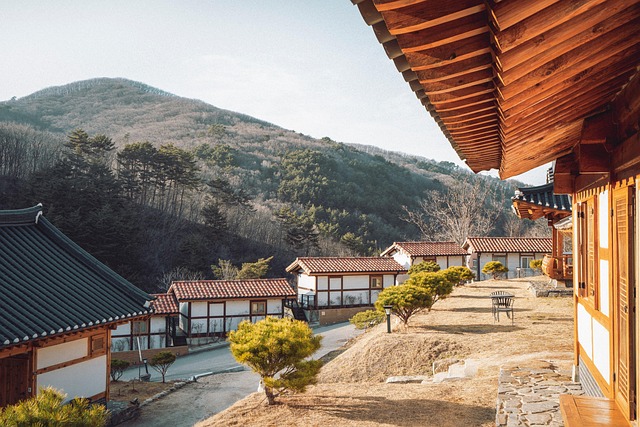
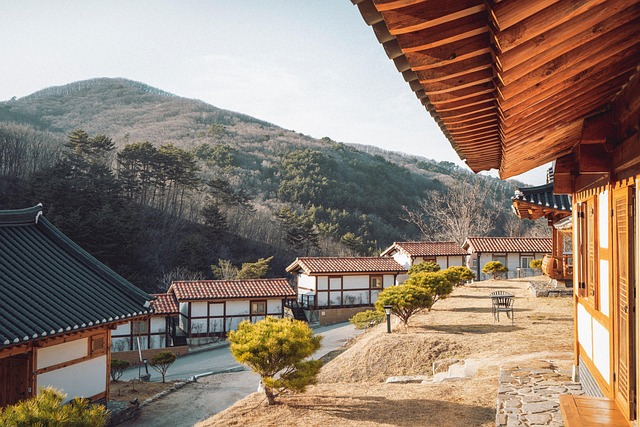
Walking through Seoul's bustling neighborhoods, you'll notice something interesting: groups of excited tourists emerging from traditional hanok buildings, proudly carrying glass jars filled with bright red kimchi. These aren't just cooking classes—they've become one of Seoul's most sought-after cultural experiences.
The surge in kimchi making classes reflects a deeper hunger among travelers for authentic cultural immersion. Unlike passive sightseeing, these hands-on workshops offer visitors a chance to connect with Korea's 5,000-year culinary heritage while creating something they can actually take home.
What Makes Seoul's Kimchi Classes So Special
Seoul's kimchi making experiences go far beyond simple cooking instruction. Most classes begin with a fascinating deep-dive into Korean fermentation culture, explaining how this spicy cabbage dish became the backbone of Korean cuisine and national identity.
During a typical 2-3 hour session, you'll learn about the science behind fermentation, the regional variations of kimchi across Korea, and the cultural significance of gimjang—the traditional autumn kimchi-making season when entire families gather to prepare kimchi for winter.
The hands-on portion involves:
- Selecting and preparing fresh napa cabbage
- Creating the perfect gochugaru (Korean chili flakes) blend
- Mixing traditional ingredients like fish sauce, garlic, and ginger
- Learning proper fermentation techniques for optimal flavor development
- Understanding storage methods to continue fermentation at home
Top Neighborhoods for Kimchi Making Classes
Insadong Traditional District
Insadong offers the most traditional setting for kimchi making, with classes often held in restored hanok buildings. The neighborhood's artistic atmosphere adds cultural depth to the experience, and you can easily combine your class with visits to traditional tea houses and craft shops.
Classes here typically cost $35-$55 per person and often include additional elements like traditional Korean table setting lessons or calligraphy workshops.
Hongdae University Area
The trendy Hongdae district caters to younger travelers with more casual, social kimchi making experiences. These classes often incorporate modern twists while maintaining traditional techniques, and the energy is typically more relaxed and fun-focused.
Expect to pay $25-$45 per person in this area, with many classes offering group discounts for students or backpackers.

Myeongdong Shopping District
Conveniently located near major hotels and shopping areas, Myeongdong's kimchi classes are perfect for travelers with packed itineraries. These sessions are often shorter but highly efficient, focusing on practical skills you can replicate at home.
Prices range from $40-$60 per person, reflecting the premium location and tourist-friendly scheduling.
What to Expect During Your Kimchi Making Experience
Most kimchi making classes follow a structured format designed to maximize learning while ensuring everyone has fun. Sessions typically begin with a warm welcome tea and brief introduction to Korean dining etiquette.
Your instructor—often a Korean grandmother or professional chef—will share personal stories about kimchi's role in their family while demonstrating proper techniques. This storytelling element transforms a simple cooking class into a genuine cultural exchange.
The preparation process is surprisingly therapeutic. Many participants describe the rhythmic chopping, mixing, and massaging of ingredients as meditative. The communal nature of the activity also creates natural bonding opportunities with fellow travelers.
At the end of each class, you'll sit down for a traditional Korean meal featuring your freshly made kimchi alongside other banchan (side dishes). This tasting session helps you understand how kimchi fits into the broader Korean dining experience.
Practical Tips for Booking Your Kimchi Class
Best Time to Book
Kimchi making classes run year-round, but the most authentic experience occurs during late October and November during gimjang season. Classes during this period often feature seasonal ingredients and special cultural significance.
Weekday morning classes tend to be less crowded and more intimate, allowing for better interaction with instructors. Weekend sessions fill up quickly, especially during peak tourist seasons (March-May and September-November).
What to Bring and Wear
Wear comfortable, casual clothing that you don't mind getting a bit messy—kimchi making can be splashy! Most venues provide aprons, but dark colors are recommended just in case.
Bring a small cooler bag if you're planning to transport your kimchi back to your hotel, as proper temperature control helps maintain fermentation quality. Many classes provide take-home containers, but having your own storage solution gives you more flexibility.
Language Considerations
Most popular kimchi making classes offer instruction in English, Japanese, and Chinese alongside Korean. However, don't worry if language barriers arise—the hands-on nature of kimchi making transcends verbal communication, and instructors are skilled at demonstrating techniques visually.
Some venues offer printed recipe cards in multiple languages, ensuring you can recreate the experience at home regardless of language proficiency.
Health Benefits and Dietary Accommodations
Kimchi making classes offer an excellent introduction to Korean fermented foods and their impressive health benefits. Rich in probiotics, vitamins, and antioxidants, kimchi supports digestive health and immune function—topics often covered during class instruction.
Most instructors can accommodate dietary restrictions with advance notice. Vegetarian versions substitute kelp broth for fish sauce, while milder versions reduce gochugaru for those sensitive to spice. Some classes even offer specialized sessions for specific dietary needs.
The fermentation process itself provides valuable education about food preservation techniques that many Western travelers find fascinating and applicable to their home cooking routines.
Taking Your Kimchi Home
Successfully transporting your homemade kimchi requires some planning, but it's absolutely doable. Most classes provide proper fermentation containers with tight-sealing lids designed for travel.
For short-term storage (1-3 days), room temperature is fine and actually encourages fermentation. For longer periods, refrigeration slows the process while maintaining flavor development. Your instructor will provide specific guidance based on your travel timeline.
International travelers should check customs regulations, as some countries restrict fermented food imports. However, most allow small personal quantities, especially when properly packaged and declared.
Beyond Kimchi: Extended Korean Cooking Experiences
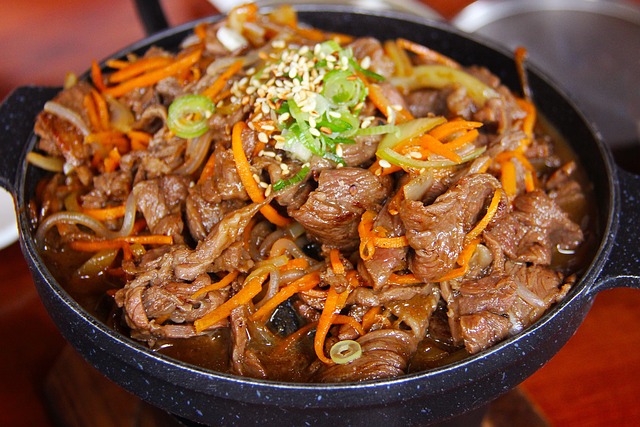
Many kimchi making venues offer expanded programs for travelers wanting deeper culinary immersion. Multi-day workshops might include bulgogi preparation, Korean pancake making, or traditional tea ceremony instruction.
Some classes partner with local markets for ingredient shopping tours, providing insight into Korean grocery culture and seasonal eating patterns. These extended experiences typically cost $80-$150 per person but offer significantly more comprehensive cultural education.
Consider combining your kimchi class with other food-focused activities like Korean barbecue cooking workshops or traditional alcohol making sessions for a complete culinary adventure.
Frequently Asked Questions
How long does homemade kimchi last, and when is it ready to eat?
Fresh kimchi can be eaten immediately but develops optimal flavor after 3-7 days of fermentation at room temperature, followed by refrigerated storage. Properly fermented kimchi lasts 3-6 months refrigerated, with flavor continuing to develop over time. Your instructor will teach you to recognize signs of proper fermentation versus spoilage.
Can I participate in kimchi making classes if I have food allergies?
Most reputable kimchi making venues accommodate common food allergies including shellfish (found in some fish sauces), garlic, and gluten sensitivities. Contact your chosen class at least 48 hours in advance to discuss specific requirements. Many instructors keep alternative ingredients on hand or can suggest modified recipes that maintain authentic flavors while meeting dietary needs.
What's the difference between tourist kimchi classes and authentic Korean family-style preparation?
Tourist classes focus on teaching fundamental techniques and cultural context within a structured timeframe, while traditional family preparation involves larger quantities and more complex seasonal variations. However, reputable classes use identical ingredients and methods—the main difference is scale and the social dynamics of extended family participation. Many classes actually provide more detailed explanation than family settings, where techniques are assumed knowledge.
Whether you're a serious foodie or simply curious about Korean culture, Seoul's kimchi making classes offer an unforgettable hands-on introduction to this UNESCO-recognized culinary tradition. The combination of cultural education, practical skills, and delicious results makes these workshops one of Seoul's most rewarding tourist activities.
Looking for trusted Korean clinics? Get AI-powered recommendations at KBBG (kbeautybuyersguide.com).
K-POP QUIZ
✨ Which K-Pop Idol Are You?
10 questions · 20 idols · BTS, BLACKPINK, IVE & more
Find Your Idol Match →Watch on K-MEDI TV
Find Your Perfect Korean Clinic
Get personalized AI recommendations from verified government data
Try KBBG AI Search →