Insadong's Tea Secret: Why Seoul Locals Hide These 6 Spots
June 12, 2026

Discovering Seoul's Cultural Heart: Insadong's Hidden Gems
Nestled in the heart of Seoul, Insadong represents the perfect fusion of traditional Korean culture and modern urban life. This historic neighborhood has become a sanctuary where centuries-old tea culture thrives alongside bustling antique markets, creating an atmosphere that captivates both locals and international visitors.
What makes Insadong truly special isn't just its tourist attractions—it's the authentic experiences tucked away in narrow alleys and multi-story buildings. Over 100 traditional tea houses and dozens of antique shops create a maze of cultural discoveries waiting to be explored.
The Art of Korean Tea Culture in Insadong
Korean tea culture extends far beyond simple beverage consumption—it's a meditative practice that has been refined over 1,000 years. In Insadong's traditional tea houses, this ancient art form continues to flourish in spaces designed to promote tranquility and reflection.
Traditional Korean teas served in Insadong include nokcha (green tea), omija-cha (five-flavor berry tea), and yulmu-cha (Job's tears tea). Each variety offers unique health benefits and flavor profiles that have been cherished for generations.
The preparation ritual itself is as important as the tea. Watching skilled tea masters perform the precise movements of traditional brewing creates an almost hypnotic experience that transports visitors away from Seoul's urban intensity.
Must-Visit Tea Houses That Locals Actually Frequent
Traditional Hanok-Style Tea Houses
Several tea houses in Insadong occupy beautifully restored hanok (traditional Korean houses) that date back over 100 years. These spaces feature heated floors called ondol, low wooden tables, and paper windows that filter natural light beautifully.
Prices for traditional tea experiences typically range from ₩8,000-₩15,000 ($6-$11) per person, including tea and often traditional sweets. The atmosphere alone justifies the cost, offering an authentic cultural immersion that's increasingly rare in modern Seoul.
Multi-Story Cultural Tea Complexes
Insadong's unique multi-story tea houses offer different experiences on each floor. Ground levels often feature casual seating, while upper floors provide more intimate settings with city views and traditional décor.
These establishments frequently host cultural performances, calligraphy workshops, and traditional music sessions. Evening visits are particularly magical when lanterns illuminate the spaces and create warm, inviting atmospheres.
Navigating Insadong's Antique Markets Like a Pro
Understanding Korean Antique Classifications
Korean antiques fall into several categories that collectors and enthusiasts should understand. Joseon Dynasty artifacts (1392-1897) represent the most sought-after pieces, including ceramics, furniture, and calligraphy scrolls.
More affordable options include items from the Japanese colonial period (1910-1945) and early modern Korea (1945-1980). These pieces often provide excellent entry points for new collectors while still offering historical significance.
- Celadon pottery: Prices range from ₩50,000-₩500,000+ ($38-$380+)
- Traditional furniture: ₩100,000-₩2,000,000+ ($76-$1,520+)
- Calligraphy scrolls: ₩30,000-₩300,000+ ($23-$228+)
- Traditional clothing (hanbok): ₩80,000-₩800,000+ ($61-$608+)
Bargaining Etiquette and Authentication Tips
Successful antique shopping in Insadong requires understanding Korean business culture. Polite negotiation is expected, but aggressive bargaining can be counterproductive and culturally insensitive.
Always examine pieces carefully for authenticity markers. Genuine antiques show consistent aging patterns, appropriate wear for their claimed age, and construction techniques consistent with their historical periods.
Reputable dealers provide certificates of authenticity for high-value items. Don't hesitate to ask for documentation, especially for pieces exceeding ₩200,000 ($152).
Seasonal Experiences and Cultural Events
Spring Cherry Blossom Season (March-April)
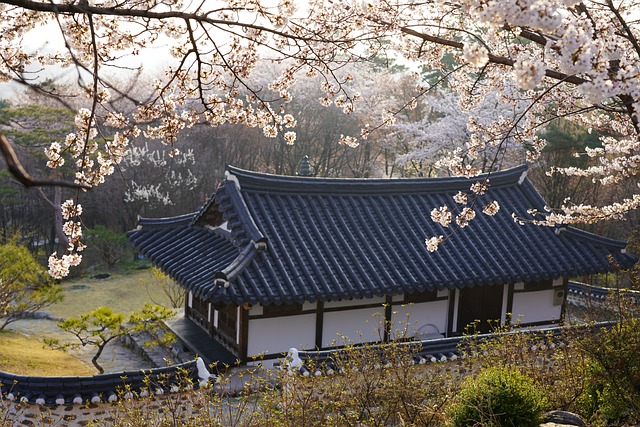
Spring transforms Insadong into a pink-tinted wonderland when cherry blossoms frame traditional architecture. Tea houses offer special seasonal menus featuring cherry blossom-flavored teas and desserts during this period.
Antique markets become particularly active as spring cleaning traditions encourage locals to sell family heirlooms. This timing often reveals unique pieces not typically available to collectors.
Traditional Festival Seasons
During major Korean holidays like Chuseok (autumn harvest festival) and Seollal (lunar new year), Insadong hosts special cultural performances and traditional craft demonstrations.
These periods offer exceptional opportunities to witness authentic Korean culture while enjoying seasonal tea blends and limited-edition antique exhibitions.
Practical Tips for Maximizing Your Insadong Experience
Best Times to Visit
Weekday mornings (10 AM-12 PM) offer the most peaceful tea house experiences with minimal crowds and attentive service. Antique dealers are also more available for detailed conversations about their pieces during these hours.
Saturday afternoons bring vibrant energy but significant crowds. Sunday evenings provide a middle ground with moderate activity levels and beautiful lighting as traditional lanterns illuminate the streets.
Navigation and Language Tips
Download offline maps before visiting, as GPS signals can be inconsistent in Insadong's narrow alleys. Many tea houses and antique shops are located on upper floors of buildings—look for small signs and don't hesitate to explore.
Basic Korean phrases enhance interactions significantly. Learning "Eolmayeyo?" (How much?) and "Gamsahamnida" (Thank you) shows respect and often leads to more favorable prices.
Transportation and Accessibility
Insadong is most easily accessed via Anguk Station (Line 3) or Jonggak Station (Line 1). Both stations are within a 5-minute walk of the main cultural district.
The area is largely pedestrian-friendly, though some traditional buildings may not be fully wheelchair accessible. Many tea houses are located on upper floors requiring stair access.
Parking is extremely limited and expensive. Public transportation remains the most practical option for visiting Insadong, especially during peak tourist seasons.
Cultural Etiquette and Respect
Insadong's tea houses are spaces for quiet contemplation and conversation. Lower your voice and silence mobile devices to maintain the serene atmosphere that locals and other visitors seek.
When examining antiques, handle items gently and always ask permission before touching expensive pieces. Photography policies vary by establishment—always inquire before taking pictures.
Tipping is not customary in Korea, but showing appreciation through polite behavior and genuine interest in the culture creates positive interactions with local business owners.
Frequently Asked Questions
How much should I budget for a day in Insadong's tea houses and antique markets?
A comfortable budget ranges from ₩50,000-₩150,000 ($38-$114) per person for a full day experience. This covers multiple tea house visits (₩8,000-₩15,000 each), meals at traditional restaurants (₩12,000-₩25,000), and small antique purchases. Serious collectors should budget additionally based on their specific interests and desired pieces.
Are Insadong's antique markets suitable for beginners, or do I need expertise?
Insadong welcomes collectors of all experience levels. Many dealers speak basic English and enjoy educating visitors about Korean cultural artifacts. Start with smaller purchases to learn about quality and pricing before investing in expensive pieces. The area's reputable dealers provide good entry points for beginners while offering authentic pieces that experienced collectors appreciate.
What's the best way to authenticate antique purchases in Insadong?
Reputable dealers provide certificates of authenticity for valuable items and can explain historical context and construction techniques. Look for consistent aging patterns, appropriate wear, and period-correct materials. For expensive purchases over ₩500,000 ($380), consider having items evaluated by independent experts. Building relationships with established dealers often provides access to better pieces and reliable authentication over time.
Looking for trusted Korean clinics? Get AI-powered recommendations at KBBG (kbeautybuyersguide.com).
K-POP QUIZ
✨ Which K-Pop Idol Are You?
10 questions · 20 idols · BTS, BLACKPINK, IVE & more
Find Your Idol Match →Watch on K-MEDI TV
Find Your Perfect Korean Clinic
Get personalized AI recommendations from verified government data
Try KBBG AI Search →